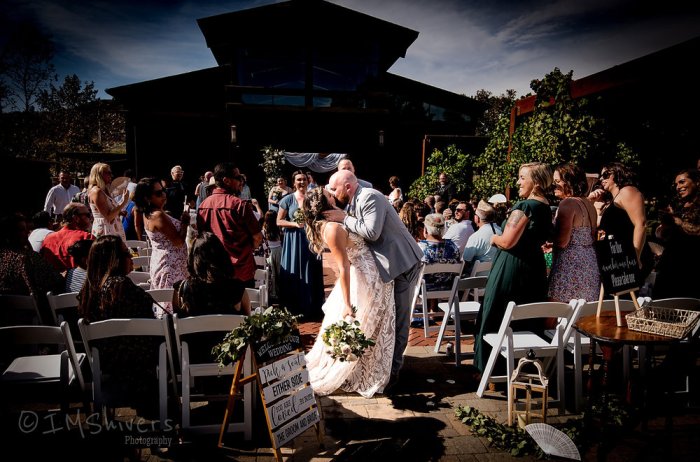
Planning a wedding can feel overwhelming, a whirlwind of decisions and details. But with the right approach, transforming your vision into a reality can be an enjoyable journey. This guide offers practical, actionable tips to navigate the complexities of wedding event planning, ensuring a memorable celebration that reflects your unique style and budget.
From crafting a realistic budget and selecting the perfect venue to managing vendors and creating a seamless timeline, we’ll cover essential aspects of wedding planning. We’ll explore strategies for staying organized, managing expectations, and most importantly, enjoying the process. This isn’t just about checklists and spreadsheets; it’s about creating a celebration that truly reflects you as a couple.
Wedding Timeline and Scheduling
A well-structured wedding timeline is the backbone of a smoothly run event. It ensures that everything happens as planned, minimizing stress and maximizing enjoyment for you and your guests. A detailed schedule, meticulously crafted and shared with vendors, is key to preventing logistical nightmares and ensuring a seamless flow from ceremony to reception.Creating a realistic timeline requires careful consideration of several factors, going beyond simply listing events.
You must account for buffer time between events to accommodate unforeseen circumstances, such as traffic delays or technical difficulties. Additionally, realistic estimations for setup and takedown times for various elements, from the ceremony space to the reception décor, are crucial. Finally, coordinating this schedule with your vendors, ensuring everyone is on the same page regarding arrival times and responsibilities, is paramount to success.
Sample Wedding Day Timeline
This sample timeline incorporates key events and allows for flexibility. Remember to adjust timings based on your specific wedding details and location.
| Time | Event | Notes |
|---|---|---|
| 8:00 AM – 10:00 AM | Hair and Makeup | Allow ample time for hair and makeup for the bride and bridal party. |
| 10:00 AM – 11:00 AM | Getting Ready Photos | Capture candid moments of the bride and bridal party getting ready. |
| 11:00 AM – 11:30 AM | Bride Gets Dressed | Allow time for the bride to put on her dress and accessories. |
| 11:30 AM – 12:00 PM | First Look (Optional) | If having a first look, schedule it now. This allows for more relaxed photos before the ceremony. |
| 12:00 PM – 1:00 PM | Photoshoot | Capture photos of the bridal party and couple. |
| 1:00 PM – 1:30 PM | Guest Arrival | Guests arrive at the ceremony venue. |
| 1:30 PM – 2:00 PM | Ceremony | The wedding ceremony takes place. |
| 2:00 PM – 3:00 PM | Cocktail Hour & Photos | Guests enjoy cocktails while the couple takes additional photos. |
| 3:00 PM – 4:00 PM | Reception | Grand entrance, speeches, dinner, and dancing. |
| 4:00 PM – 11:00 PM | Reception Continues | Cake cutting, first dance, etc. Allow for flexibility in the schedule. |
| 11:00 PM | Event Conclusion | The wedding reception concludes. |
Coordinating with Vendors
Effective vendor coordination is vital for a seamless wedding day. This involves creating a detailed schedule for each vendor, including arrival times, setup and takedown times, and contact information for any questions or emergencies. Regular communication with vendors, ideally via email and phone calls leading up to the wedding and on the day itself, ensures everyone is informed and prepared.
Consider creating a shared online document or spreadsheet that all vendors can access and update. This allows for real-time adjustments and prevents misunderstandings. For example, a photographer should know the exact timeline of events to ensure they capture key moments, and the caterer needs to know the precise time for food service to align with the reception schedule.
Clear communication prevents delays and ensures a smooth transition between different parts of the day.
Guest Management and Invitations
Successfully managing your guest list and sending out invitations is crucial for a smoothly run wedding. A well-organized approach ensures everyone feels included and informed, minimizing potential stress and confusion. This section details effective strategies for guest list management and invitation design, ensuring a seamless process from start to finish.
Guest List Management Methods
Efficient guest list management requires a system that allows for easy tracking, updates, and communication. Several methods exist, each with its own advantages and disadvantages. Choosing the right method depends on your comfort level with technology and the size of your guest list.
- Spreadsheet Software: Programs like Microsoft Excel or Google Sheets offer a straightforward way to create and maintain a guest list. Columns can be dedicated to guest names, addresses, RSVP status, plus-ones, meal choices, and any special requests. This method provides flexibility and control but requires manual data entry and updating.
- Online Guest List Management Platforms: Several websites and apps specialize in wedding planning, offering features like automated RSVP tracking, guest communication tools, and seating chart creation. These platforms streamline the process, automating many tasks and reducing manual effort. However, they often involve subscription fees.
- Dedicated Wedding Planning Software: Comprehensive wedding planning software packages often include robust guest list management features integrated with other planning tools. This approach provides a centralized system for managing all aspects of the wedding, though it might be more expensive than simpler options.
RSVP Tracking and Management
Regardless of the chosen guest list management method, efficient RSVP tracking is vital. This ensures you have an accurate headcount for catering, seating arrangements, and other logistical details.
- Online RSVP Forms: Online platforms and many wedding websites provide integrated RSVP forms. These forms often include options for guests to specify meal preferences, dietary restrictions, and plus-ones. The data is automatically collected and updated, simplifying tracking.
- Physical RSVP Cards: Traditional RSVP cards included with invitations require manual data entry into your chosen guest list management system. This method is more time-consuming but adds a personal touch.
- Phone Calls or Emails: For smaller weddings or guests who may not be comfortable with online RSVPs, personal follow-up calls or emails can be used to confirm attendance. This approach requires more time and effort but can be helpful for personalized communication.
Wedding Invitation Design and Etiquette
The wedding invitation is the first impression your guests receive. Careful consideration of design, wording, and etiquette is essential to create a positive and informative invitation.
Invitation Wording Styles and Formats
Several styles and formats are available for wedding invitations, each conveying a different tone and level of formality.
- Formal Invitations: These typically use traditional wording and a more formal tone. They often include detailed information about the ceremony and reception, including attire suggestions. Example: “The honour of your presence is requested at the marriage of…”
- Semi-Formal Invitations: These invitations maintain a degree of formality but use slightly less traditional language. They might omit some details or use a more conversational tone. Example: “You’re invited to celebrate the wedding of…”
- Informal Invitations: These invitations use casual language and a less structured format. They might be more concise and focus on the celebration aspect. Example: “Join us as we celebrate our wedding!”
Wedding Decorations and Design
Transforming your wedding venue into a reflection of your unique style and love story requires careful planning and attention to detail. Wedding decorations set the atmosphere and contribute significantly to the overall guest experience, creating lasting memories for you and your loved ones. Selecting the right design elements and arranging them harmoniously will enhance the beauty of your chosen space and create a cohesive and visually stunning event.
Wedding Design Styles and Themes
Various wedding design styles cater to diverse tastes and preferences. A rustic theme, for example, might feature natural elements like wood, burlap, and wildflowers, evoking a sense of warmth and simplicity. Imagine exposed wooden beams, mason jar centerpieces filled with wildflowers, and burlap table runners. Conversely, a glamorous theme could incorporate luxurious fabrics like velvet and satin, sparkling chandeliers, and elegant floral arrangements in rich jewel tones.
Picture a ballroom adorned with shimmering fabrics, crystal candelabras casting a warm glow, and opulent floral displays in deep reds and purples. A minimalist theme emphasizes clean lines, simple shapes, and a neutral color palette, creating a sophisticated and uncluttered aesthetic. Visualize a modern venue with sleek white linens, simple geometric centerpieces, and a limited, carefully chosen color palette of whites, creams, and muted grays.
A romantic theme, on the other hand, often features soft pastel colors, flowing fabrics, and delicate floral arrangements, creating a dreamy and ethereal ambiance. Think soft pink and ivory hues, cascading floral arrangements, and flowing chiffon tablecloths. Finally, a bohemian theme often incorporates eclectic elements, such as macrame, dreamcatchers, and vibrant textiles, creating a free-spirited and relaxed atmosphere.
Envision a garden setting with colorful rugs, mismatched furniture, and floral crowns adorning the heads of the wedding party.
Designing Wedding Decorations: A Step-by-Step Guide
Choosing a design that complements your venue and theme is crucial. First, carefully analyze your venue. Is it a rustic barn, a modern ballroom, or a beachside location? The venue’s architecture, lighting, and existing features will influence your decorative choices. Next, solidify your wedding theme.
This will guide your color palette, material choices, and overall aesthetic. Then, create a mood board to visualize your vision. Gather images, fabric swatches, and color samples that represent your style. Following this, prioritize your essential elements. Focus on key areas like the ceremony space, reception area, and head table.
Develop a detailed layout plan, specifying the placement of each decorative element. Finally, source your materials and delegate tasks if necessary. Consider DIY options to save costs or hire professionals for intricate designs.
Essential Decorative Elements and Costs
A realistic budget is essential. The following table Artikels essential decorative elements and potential cost ranges, keeping in mind that prices vary widely based on location, vendor, and quality.
| Element | Potential Cost Range |
|---|---|
| Floral Arrangements | $500 – $5000+ |
| Linens & Tablecloths | $100 – $1000+ |
| Centerpieces | $50 – $200+ per table |
| Lighting | $200 – $2000+ |
| Decorative Accents (e.g., candles, vases) | $50 – $500+ |
Remember that these are estimates, and the actual cost will depend on the scale and complexity of your decorations.
Successfully planning a wedding requires meticulous attention to detail, effective communication, and a proactive approach. By implementing the strategies and tips Artikeld in this guide, couples can confidently navigate the planning process, minimizing stress and maximizing enjoyment. Remember, the goal is to create a beautiful and memorable event that celebrates your love story – a celebration that reflects your unique personalities and creates lasting memories for you and your guests.
Essential Questionnaire
What’s the best time of year to get married?
The best time depends on your preferences and budget. Peak seasons (spring and fall) often have higher venue costs but pleasant weather. Off-season weddings (winter and summer) can offer better deals but may present weather challenges.
How far in advance should I start planning?
Ideally, begin planning 12-18 months before your wedding date, especially for popular venues and vendors. This allows ample time for booking, design, and coordination.
How do I handle difficult family dynamics during planning?
Establish clear boundaries and communication protocols. Involve a trusted friend or family member as a mediator if necessary. Prioritize your relationship and remember that it’s your day.
What if my wedding plans change due to unforeseen circumstances?
Have a backup plan! Consider flexible venue options and insurance to mitigate potential disruptions. Communicate openly with vendors and guests about any changes.