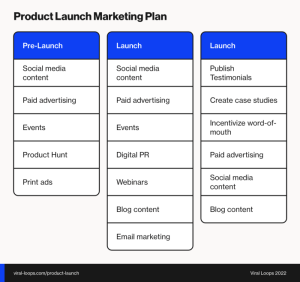
Embark on a journey into the world of Product Launch Event Planning, where every detail matters and success is the ultimate goal. From setting clear objectives to engaging attendees, this guide covers it all.
Overview of Product Launch Event Planning
Product launch events are crucial for introducing a new product to the market and creating buzz around it. These events serve as a platform to showcase the features, benefits, and uniqueness of the product to potential customers, media, and stakeholders.
Effective planning is essential for the success of a product launch event. It helps in ensuring that the event runs smoothly, captures the attention of the target audience, and generates the desired impact. A well-planned event can leave a lasting impression on attendees and create a positive perception of the product.
Key Elements to Consider When Planning a Product Launch Event
- Set clear objectives: Define the goals and desired outcomes of the event to guide the planning process.
- Know your audience: Understand the target audience and tailor the event to cater to their preferences and interests.
- Choose the right venue: Select a venue that aligns with the brand image and can accommodate the expected number of attendees.
- Create a timeline: Develop a detailed timeline outlining all tasks, deadlines, and responsibilities to ensure everything is executed on time.
- Generate buzz: Use marketing strategies, such as social media campaigns and press releases, to build anticipation and excitement around the product launch.
- Secure partnerships: Collaborate with influencers, media outlets, or other brands to enhance visibility and reach a broader audience.
- Provide engaging content: Plan interactive activities, product demonstrations, and presentations to keep attendees engaged and interested throughout the event.
- Follow up: Develop a post-event strategy to gather feedback, measure the success of the event, and nurture relationships with attendees for future engagement.
Setting Objectives for the Event
Setting clear objectives for a product launch event is crucial to ensure its success and effectiveness. These objectives serve as a roadmap for the planning process and help measure the event’s impact on the overall business goals.
Examples of Measurable Goals
- Generate X number of leads from the event registration list.
- Achieve a Y% increase in brand awareness within the target market.
- Secure Z number of media placements or press coverage for the product launch.
- Drive a specific number of attendees to visit the product demo area.
Significance of Aligning Event Objectives with Business Goals
Aligning event objectives with overall business goals ensures that the product launch event contributes meaningfully to the company’s growth and success. By setting objectives that directly impact key performance indicators (KPIs) and revenue targets, the event becomes a strategic tool for achieving business objectives.
Choosing the Right Venue
When planning a product launch event, choosing the right venue is crucial to the success of the event. The venue sets the tone and atmosphere for the launch, so it’s important to consider several factors when making this decision.
Factors to Consider
- Location: The venue should be easily accessible for attendees, whether it’s a central location in the city or near public transportation.
- Capacity: Ensure that the venue has enough space to accommodate all guests, including seating arrangements, stage setup, and any additional activities planned.
- Amenities: Look for venues that offer the necessary amenities such as audiovisual equipment, catering services, parking facilities, and restrooms.
- Ambiance: Consider the overall look and feel of the venue to ensure it aligns with the brand image and message of the product being launched.
Types of Venues
- Hotels: Ideal for larger events with multiple rooms for different activities, catering services, and accommodation options for out-of-town guests.
- Conference Centers: Suitable for professional events with meeting rooms, breakout spaces, and advanced audiovisual capabilities.
- Rooftop Venues: Perfect for unique and memorable events with panoramic views of the city skyline, creating a sophisticated ambiance.
- Galleries or Museums: Great for creative product launches, providing a cultural backdrop and inspiring setting.
Importance of Location, Capacity, and Amenities
Location plays a significant role in ensuring high attendance and convenience for guests. Capacity is crucial to accommodate all attendees comfortably and ensure a seamless flow of the event. Amenities such as audiovisual equipment and catering services enhance the overall experience for guests and contribute to the success of the product launch event.
Creating a Budget and Financial Plan
When planning a product launch event, creating a budget and financial plan is crucial to ensure the success of the event while keeping costs under control.
Steps to Create a Budget for a Product Launch Event
- Estimate the total budget needed based on the event objectives and expected attendance.
- Break down the budget into categories such as venue rental, catering, marketing, decorations, and logistics.
- Research and obtain quotes from vendors to get accurate cost estimates.
- Allocate funds based on priority, focusing on key elements that will have the most impact on the event.
- Review and adjust the budget as needed to ensure it aligns with the overall financial plan.
Cost Considerations for a Product Launch Event
- Venue Rental: Consider the location, size, and amenities of the venue, as it can significantly impact the budget.
- Catering: Determine the type of food and beverage service needed and negotiate prices with caterers.
- Marketing: Allocate funds for promotional materials, advertising, and PR efforts to create buzz around the event.
- Logistics: Factor in transportation, audiovisual equipment, staffing, and other logistical needs to ensure a smooth execution.
Importance of Contingency Planning for Unexpected Expenses
Contingency planning is essential to handle unforeseen costs that may arise during the event planning process. By setting aside a portion of the budget for contingencies, you can address unexpected expenses without jeopardizing the overall success of the event. It’s important to be prepared for any financial surprises to ensure a seamless product launch event.
Marketing and Promotions
When it comes to promoting a product launch event, there are various strategies that can be utilized to create buzz and excitement around the upcoming event.
Role of Social Media, Email Marketing, and PR
- Social Media: Utilize platforms like Facebook, Instagram, Twitter, and LinkedIn to create posts, share updates, and engage with your audience. Use targeted ads to reach a larger audience and create anticipation for the event.
- Email Marketing: Send out newsletters and personalized emails to your subscribers to inform them about the event details, exclusive offers, and sneak peeks. Encourage them to RSVP and spread the word.
- PR: Reach out to industry influencers, bloggers, and media outlets to cover the event. Press releases, interviews, and collaborations can help generate interest and credibility for the launch.
Tips for Creating Buzz and Generating Excitement
- Teaser Campaign: Build anticipation by releasing teaser videos, behind-the-scenes footage, or product teasers leading up to the event.
- Contests and Giveaways: Host contests, giveaways, or exclusive offers to incentivize attendance and engagement. Encourage participants to share the event with their network.
- Influencer Partnerships: Collaborate with influencers or brand ambassadors to promote the event to their followers and create a buzz around the launch.
- Event Hashtag: Create a unique event hashtag and encourage attendees to use it on social media. This can help track engagement, generate user-generated content, and create a sense of community.
Event Logistics and Execution
When it comes to planning a product launch event, the logistical aspects play a crucial role in ensuring the event runs smoothly and successfully. From catering to audiovisual setup, each detail must be carefully coordinated to create a memorable experience for attendees.
Catering
- Coordinate with catering services to plan a menu that aligns with the theme of the event and accommodates dietary restrictions.
- Ensure timely delivery and setup of food and beverages to keep guests satisfied throughout the event.
- Consider the flow of the event when scheduling meal times and snack breaks to avoid interruptions.
Audiovisual Setup
- Hire a professional audiovisual team to handle sound systems, lighting, and visual displays for presentations or product showcases.
- Conduct a thorough walkthrough of the venue to determine the best placement for screens, speakers, and other equipment.
- Test all audiovisual components in advance to address any technical issues and ensure a seamless experience during the event.
Registration and Seating Arrangements
- Set up a streamlined registration process to efficiently check-in guests and provide them with event materials or name tags.
- Plan seating arrangements based on the event program, ensuring that VIPs, speakers, and sponsors have reserved seats in prominent locations.
- Consider factors like sightlines, accessibility, and networking opportunities when designing seating layouts.
Importance of Coordination and Communication
- Regularly communicate and coordinate with all stakeholders, including vendors, sponsors, and team members, to ensure everyone is on the same page.
- Create a detailed timeline and schedule for the event, highlighting key milestones and deadlines for each logistical aspect.
- Establish clear channels of communication, such as email updates, regular meetings, and contingency plans, to address any last-minute changes or challenges.
Engaging Attendees and Creating a Memorable Experience
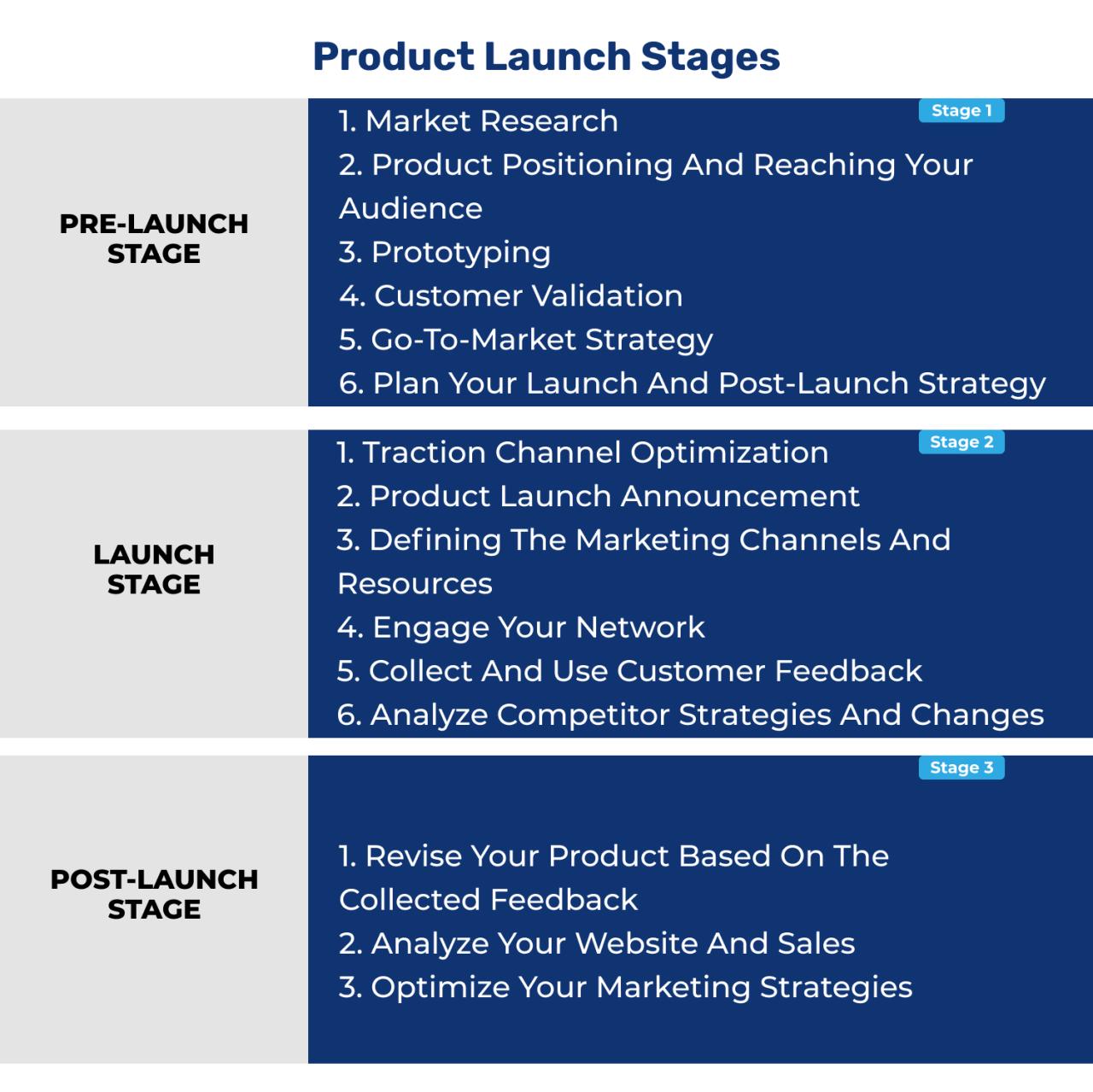
To make your product launch event truly unforgettable, it’s essential to engage attendees and create a memorable experience that aligns with your brand and product. By incorporating interactive elements, giveaways, and networking opportunities, you can ensure that your event leaves a lasting impression on all those who attend.
Interactive Elements
One way to engage attendees is by incorporating interactive elements throughout the event. Consider setting up demonstration stations where guests can interact with the product, participate in hands-on activities, or even take part in a virtual reality experience related to the product. This not only keeps attendees entertained but also allows them to connect with the product on a deeper level.
Giveaways
Giveaways are a great way to create excitement and incentivize participation. Consider offering branded merchandise, exclusive discounts, or even a raffle for a chance to win a grand prize. By providing attendees with something tangible to take home, you not only create a lasting memory but also increase brand visibility long after the event has ended.
Networking Opportunities
Facilitate networking opportunities for attendees by organizing structured activities such as speed networking sessions, roundtable discussions, or even a cocktail hour. Encouraging meaningful interactions among guests not only enhances their experience but also fosters connections that can lead to future collaborations or partnerships.
Creating a Memorable Experience
To ensure your event is truly memorable, focus on creating a cohesive experience that reflects your brand identity and the unique selling points of your product. Consider incorporating thematic elements, immersive visuals, and storytelling techniques that resonate with your target audience. By crafting a memorable experience that is both engaging and authentic, you can leave a lasting impression on attendees and reinforce brand loyalty.
Post-Event Evaluation and Follow-Up
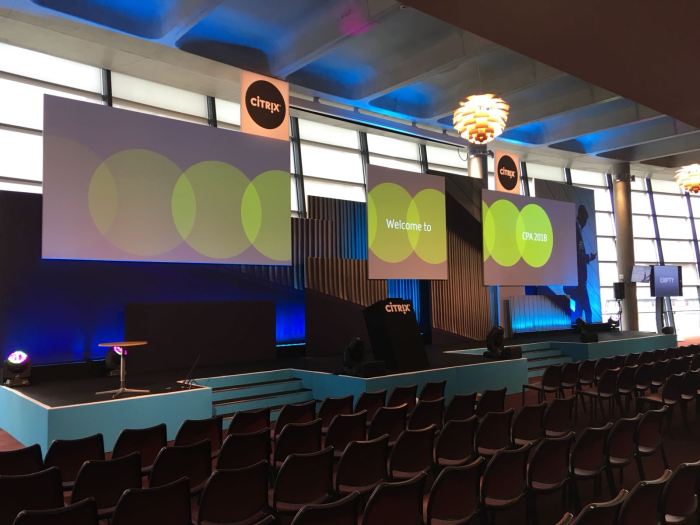
After successfully executing a product launch event, it is crucial to evaluate its effectiveness and follow up with attendees and stakeholders to maintain the momentum and capitalize on the event’s success.Explain the importance of evaluating the success of a product launch event:Post-event evaluation helps in assessing the impact of the event, identifying areas of improvement, and understanding the return on investment.
It provides valuable insights for future events and ensures continuous growth and development.
Collecting Feedback from Attendees and Stakeholders
To collect feedback effectively, consider the following methods:
- Send out surveys: Prepare online surveys to gather feedback on various aspects of the event, such as content, speakers, logistics, and overall experience.
- Conduct interviews: Arrange one-on-one interviews with key attendees and stakeholders to delve deeper into their feedback and suggestions.
- Monitor social media: Monitor social media platforms for mentions, comments, and reviews related to the event to gauge public sentiment.
Following Up with Leads and Maintaining Momentum
Strategies for following up and maintaining momentum post-event include:
- Send personalized thank-you emails: Express gratitude to attendees, speakers, and sponsors for their participation and support.
- Share event highlights: Recap the key moments of the event through social media posts, blogs, or newsletters to keep the excitement alive.
- Nurture leads: Develop a lead nurturing strategy to continue engaging with potential customers and converting leads into sales.
As you wrap up your Product Launch Event Planning journey, remember that success lies in the details. By evaluating, following up, and creating memorable experiences, you’re well on your way to a successful event.
Clarifying Questions
How important is contingency planning for a product launch event?
Contingency planning is crucial to handle unexpected expenses and ensure the event runs smoothly without any hiccups.
What are some key elements to consider when selecting a venue for a product launch event?
Location, capacity, amenities, and overall suitability to the event theme are important factors to consider when choosing a venue.
How can event stakeholders ensure effective coordination and communication during a product launch event?
Regular meetings, clear communication channels, and defined roles and responsibilities can help in ensuring effective coordination among event stakeholders.