Planning a successful corporate event requires meticulous attention to detail and a strategic approach. From crafting a budget that balances ambition with fiscal responsibility to selecting the perfect venue and curating an engaging experience, the process demands both creativity and organizational prowess. This guide delves into the essential aspects of corporate event planning, providing actionable tips and strategies to ensure your event is not only memorable but also achieves its desired objectives.
This comprehensive guide covers all stages of event planning, from initial concept and budgeting to post-event analysis and follow-up. We’ll explore practical solutions for venue selection, theme development, logistical management, catering, entertainment, marketing, and the effective utilization of technology. By following these tips, you can streamline the planning process, minimize stress, and maximize the impact of your corporate event.
Catering and Food Service
Selecting the right catering style and menu is crucial for a successful corporate event. The food significantly impacts attendee satisfaction and reflects the professionalism of your organization. Careful planning, considering dietary needs, and efficient service are key to a positive culinary experience.Catering styles offer a wide range of options to suit various event formats and budgets. From buffet-style service, offering a variety of choices and promoting interaction, to plated meals providing a more formal and controlled dining experience, the possibilities are extensive.
Consider also the option of food stations, offering interactive culinary experiences, or a more casual cocktail reception with finger foods and canapés. Each style caters to different needs and creates a unique atmosphere.
Catering Styles and Options
The choice of catering style should align with the overall event theme and objectives. A formal gala dinner calls for a plated service, while a relaxed team-building event might be better suited to a buffet or food station setup. Boxed lunches are practical for off-site events or meetings, offering convenience and portability. Each option has its own advantages and disadvantages concerning cost, efficiency, and the level of formality.
For instance, buffet-style catering is generally more cost-effective but may lead to longer queues, while plated meals ensure a more controlled and timely service, though potentially more expensive.
Sample Corporate Lunch Menu
This sample menu caters to a variety of dietary needs, demonstrating consideration for common restrictions:
| Dish | Description | Dietary Notes |
|---|---|---|
| Grilled Chicken Salad | Mixed greens, grilled chicken breast, avocado, cherry tomatoes, and a light vinaigrette. | Gluten-free, can be adapted for low-sodium diets. |
| Vegetarian Quinoa Bowl | Quinoa, roasted vegetables (zucchini, bell peppers, onions), chickpeas, and a lemon-herb dressing. | Vegetarian, vegan adaptable (omit dressing), gluten-free. |
| Salmon with Roasted Asparagus | Pan-seared salmon fillet served with roasted asparagus and lemon wedges. | Gluten-free, can be adapted for low-fat diets. |
| Gluten-Free Pasta Primavera | Gluten-free pasta with seasonal vegetables and a light tomato sauce. | Gluten-free, vegetarian. |
Sides: Brown rice, roasted potatoes. Dessert: Fresh fruit platter, gluten-free brownies.
Managing Food Allergies and Dietary Needs
Thorough pre-event communication is essential. A clear registration process should include a section for attendees to specify any dietary restrictions or allergies. This information should be carefully collated and communicated to the catering team well in advance to allow for appropriate menu adjustments and preparation. Clear labeling of dishes is crucial, especially for those with allergies. It’s recommended to have a designated person responsible for managing dietary needs on the day of the event, ensuring that all attendees receive appropriate meals.
Consider having separate preparation areas to minimize cross-contamination risks.
Ensuring Efficient Food Service and Guest Satisfaction
Efficient food service requires careful planning and coordination. This includes selecting the right catering company with experience in handling large-scale events, ensuring sufficient staff is available to manage the service, and optimizing the layout of the food service area to minimize wait times. For larger events, consider using a queuing system to manage guest flow. Regularly check food levels and replenish as needed.
Attentive staff should be available to address any guest queries or concerns promptly. Gathering feedback post-event can help improve future catering arrangements. Positive reviews and comments from attendees are a valuable indicator of a successful catering strategy.
Entertainment and Activities
Choosing the right entertainment and activities is crucial for a successful corporate event. A well-planned program keeps attendees engaged, fosters networking, and ultimately contributes to a positive overall experience. The key is to offer a diverse range of options that cater to different preferences and energy levels throughout the event.Engaging Entertainment Options for Corporate Events
Suitable Entertainment Options
A variety of entertainment options can significantly enhance your corporate event. Consider the overall tone and objectives of your event when making your selections. For example, a formal gala might benefit from a live orchestra or a renowned speaker, while a more relaxed team-building event might be better suited to interactive games or a themed party.
- Live Music: From jazz bands to DJs, live music creates a vibrant atmosphere and provides background entertainment throughout the event.
- Keynote Speakers: Inspiring speakers can deliver motivational talks, share industry insights, or provide valuable training.
- Interactive Games and Activities: These can range from casino nights to escape rooms, fostering collaboration and friendly competition.
- Themed Parties: A themed party allows for creative decorations, costumes, and activities, adding a fun and memorable element.
- Magicians or Comedians: These entertainers provide engaging performances that break the ice and add a touch of humor.
Activity Schedule for Diverse Interests
A well-structured schedule ensures attendees can participate in activities that align with their interests while maximizing networking opportunities. Consider incorporating a mix of structured activities and free time for informal mingling. Scheduling should also account for breaks and meal times.
| Time | Activity | Description |
|---|---|---|
| 9:00 AM – 9:30 AM | Registration & Coffee | Attendees arrive, register, and network informally. |
| 9:30 AM – 10:30 AM | Keynote Speaker | Inspirational talk on leadership and innovation. |
| 10:30 AM – 11:00 AM | Coffee Break & Networking | Opportunity for attendees to connect and discuss the keynote. |
| 11:00 AM – 12:30 PM | Team Building Activities | Interactive games designed to foster collaboration and problem-solving skills. |
| 12:30 PM – 1:30 PM | Lunch | Buffet-style lunch with ample opportunity for networking. |
| 1:30 PM – 3:00 PM | Workshops/Breakout Sessions | Attendees choose sessions based on their interests. |
| 3:00 PM – 4:00 PM | Free Time/Networking | Relaxed time for informal conversation and connection. |
| 4:00 PM – 5:00 PM | Cocktail Reception | Concluding reception with drinks, appetizers, and music. |
Interactive Elements and Team Building Exercises
Interactive elements encourage participation and create memorable experiences. Team-building exercises foster collaboration and improve communication within teams.Examples include escape rooms which require teamwork and problem-solving skills, or a scavenger hunt across the venue, encouraging exploration and interaction with other attendees. A collaborative art project or a friendly competition can also be engaging and memorable.
Managing Entertainment Logistics and Contracts
Effective management of entertainment logistics and contracts is essential for a smooth event. This includes securing bookings well in advance, confirming technical requirements, and clearly outlining expectations in contracts. It is vital to obtain detailed proposals from potential entertainers, comparing pricing, availability, and experience before making a final decision. Contracts should specify performance times, payment schedules, cancellation policies, and any other relevant details.
This minimizes potential issues and ensures a successful event.
Marketing and Promotion
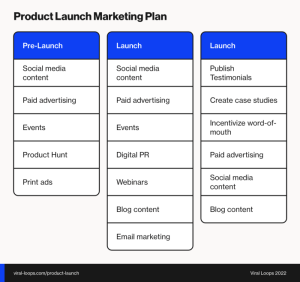
A successful corporate event hinges not only on meticulous planning but also on effective marketing and promotion. Reaching your target audience and generating excitement requires a well-defined strategy that leverages various channels and compelling messaging. This section will Artikel key aspects of creating a marketing plan, designing engaging materials, and maximizing event attendance and post-event engagement.
Developing a comprehensive marketing plan involves several crucial steps. First, clearly define your target audience. Consider their demographics, professional roles, interests, and preferred communication channels. This detailed understanding will inform your choice of marketing channels and the tone of your messaging. For instance, a tech conference will target a different audience and use different channels than a sales team retreat.
Next, select the most appropriate marketing channels. This might include email marketing, social media platforms (LinkedIn, Twitter, etc.), targeted advertising campaigns, and even print materials depending on your target audience and budget.
Marketing Materials Design
Effective marketing materials are crucial for generating interest and driving registrations. Email invitations should be visually appealing, concise, and include all essential event details (date, time, location, agenda highlights, registration link, dress code, etc.). They should also reflect the overall event theme and brand identity. Social media posts should be visually engaging, utilizing high-quality images or videos, and incorporate relevant hashtags to increase visibility.
Consider using a consistent visual theme across all platforms for brand cohesion. For instance, a corporate sustainability event might use images of nature and environmentally friendly practices in its marketing materials. A company-wide celebration might feature photos of employees enjoying past events.
Maximizing Event Registration and Attendance
Several strategies can help maximize event registration and attendance. Early bird discounts and incentives can encourage early registration and planning. Offering different ticket tiers (e.g., individual, group, VIP) can cater to various budgets and needs. Creating a sense of urgency by highlighting limited seating or a deadline for registration can also boost participation. Actively promoting the event across various channels, including email reminders and social media updates, is also vital.
Consider utilizing influencer marketing or partnerships with relevant organizations to expand your reach. For example, offering a free workshop or presentation in exchange for promotion on a partner’s platform can significantly boost awareness and registrations.
Post-Event Communication and Follow-Up
Post-event communication is just as crucial as pre-event promotion. Sending thank-you emails to attendees, speakers, and sponsors expresses appreciation and reinforces positive relationships. Sharing event photos and videos on social media keeps the conversation going and provides lasting memories. Gathering feedback through surveys or questionnaires can help improve future events. Finally, compiling key takeaways and presentations into a post-event report can provide valuable insights and resources for attendees and stakeholders.
For example, a post-event survey could ask attendees to rate the speakers, food, venue, and overall experience, providing valuable feedback for future planning. A follow-up email could include links to presentations, photos, and a summary of key discussions.
Technology and Event Management Tools
In today’s digital age, leveraging technology is no longer optional but essential for successful corporate event planning. Efficient event management software and tools streamline processes, enhance communication, and ultimately contribute to a more engaging and memorable experience for attendees. This section explores various technological solutions and best practices for their implementation.Event management software and tools offer a range of functionalities designed to simplify and improve various aspects of event planning.
From registration and ticketing to communication and feedback collection, these tools centralize operations and enhance efficiency. Choosing the right tool depends heavily on the specific needs and scale of your event.
Event Management Software Comparison
Several software solutions cater to diverse event planning needs. Some popular options include Cvent, Eventbrite, and Whova. Cvent, for example, is a comprehensive platform suitable for large-scale events, offering robust features for registration, marketing, and attendee management. Eventbrite excels in ticketing and registration, particularly for smaller to medium-sized events. Whova focuses on attendee engagement, providing features for networking, communication, and session scheduling.
The optimal choice depends on budget, event size, and required functionalities. A thorough comparison of features, pricing, and user reviews is crucial before selecting a platform.
Utilizing Technology for Enhanced Event Registration, Communication, and Engagement
Technology significantly streamlines event registration. Online registration platforms allow for automated processing of registrations, payment collection, and communication with attendees. This automation minimizes manual effort and reduces the risk of errors. Furthermore, technology enhances communication through various channels such as email marketing, event apps, and social media. These tools facilitate pre-event information dissemination, updates, and post-event follow-ups.
Engaging attendees through interactive polls, Q&A sessions, and live feedback mechanisms within the event app or online platform fosters a more dynamic and interactive event experience.
Technology for Attendee Check-in, Feedback Collection, and Live Streaming
Attendee check-in can be automated using QR code scanners integrated with the event management software. This eliminates manual check-in processes and speeds up entry. Post-event feedback can be collected efficiently through online surveys integrated into the event app or sent via email. These surveys provide valuable insights into attendee satisfaction and areas for improvement in future events.
Live streaming allows for remote participation, expanding the event’s reach and enabling those unable to attend in person to still engage with the content. This could be achieved using platforms such as YouTube Live or Facebook Live, integrated with the event management system for seamless access.
Data Privacy and Security Best Practices in Event Management
Protecting attendee data is paramount. Compliance with data privacy regulations such as GDPR and CCPA is crucial. This involves implementing robust security measures, including data encryption, access controls, and regular security audits. Transparency with attendees regarding data collection and usage practices is equally important. Clearly defined privacy policies and obtaining explicit consent for data collection are essential aspects of responsible data management.
Selecting a reputable event management platform with strong security features is a key step in safeguarding attendee information.
Post-Event Evaluation and Follow-up
Successful corporate event planning extends beyond the event itself; a thorough post-event evaluation is crucial for continuous improvement and maximizing return on investment. This involves gathering feedback, analyzing key metrics, and implementing strategies to enhance future events. A well-structured follow-up process strengthens relationships with attendees and sponsors, fostering loyalty and future participation.Post-event analysis provides invaluable insights into what worked well and what could be improved.
By systematically collecting and analyzing data, event planners can make data-driven decisions to optimize future events, leading to greater efficiency and improved attendee satisfaction.
Post-Event Survey Design
A well-designed post-event survey is the cornerstone of effective evaluation. It should be concise, easy to complete, and focus on key areas relevant to the event’s objectives. The survey should incorporate a mix of question types, including multiple-choice, rating scales (e.g., Likert scales), and open-ended questions to capture both quantitative and qualitative data. For example, questions could assess attendee satisfaction with the venue, catering, speakers, networking opportunities, and overall event experience.
Including demographic questions can help segment feedback and identify trends among specific attendee groups. Consider using a platform like SurveyMonkey or Typeform to create and distribute the survey efficiently. The survey should be sent promptly after the event to maximize response rates.
Event Metrics Reporting
A comprehensive report summarizing key event metrics is essential for evaluating the event’s success. This report should include quantitative data such as total attendance, registration numbers, budget versus actual spending, sponsor engagement levels (e.g., booth visits, lead generation), and social media engagement (e.g., hashtag usage, reach, impressions). Qualitative data from the post-event survey should also be incorporated, highlighting key themes and trends in attendee feedback.
This report serves as a valuable tool for demonstrating the event’s impact to stakeholders and identifying areas for improvement. For instance, comparing the actual attendance against the projected attendance helps to assess the accuracy of forecasting methods.
Event Data Analysis and Improvement Strategies
Analyzing event data goes beyond simply compiling numbers; it involves identifying patterns and trends to inform future event planning decisions. For example, if attendee feedback consistently points to dissatisfaction with the catering, this indicates a need for improvement in that area. Similarly, low engagement with a specific speaker or activity suggests revisiting the program content. Data analysis can also help optimize the event budget by identifying areas where costs can be reduced without compromising quality.
Analyzing social media data can provide insights into the event’s reach and impact, allowing for more targeted marketing efforts in future events. For instance, if a particular social media campaign generated significantly higher engagement than others, future campaigns could adopt similar strategies.
Attendee and Sponsor Thank-You Strategies
Expressing gratitude to attendees and sponsors is crucial for building strong relationships and fostering loyalty. A timely and personalized thank-you email or letter is a simple yet effective way to show appreciation. For sponsors, the thank-you message should highlight their contribution to the event’s success, including specific metrics like booth visits or lead generation. Consider providing a post-event report summarizing key results to further demonstrate the value of their sponsorship.
For attendees, a thank-you email could include a link to event photos or videos, a summary of key takeaways, or an invitation to future events. A small, thoughtful gift can also enhance the appreciation shown. For instance, a follow-up email with a link to a recorded session or presentation could be valuable for attendees who couldn’t attend every session.
Event Planning Best Practices (General)
Successful corporate event planning hinges on meticulous preparation, effective resource management, and a keen understanding of your target audience. A well-executed event not only achieves its stated objectives but also leaves a lasting positive impression on attendees, strengthening brand image and fostering valuable relationships. This section Artikels key best practices to ensure your corporate event is a resounding success.Effective event planning necessitates a structured approach, prioritizing tasks and allocating resources strategically.
This ensures that critical elements receive the attention they deserve, leading to a smoother event execution and a more impactful outcome.
Essential Elements for Successful Event Planning
A successful corporate event requires careful consideration of several key elements. These elements work synergistically to create a cohesive and memorable experience for attendees. Neglecting any one of these could significantly impact the overall success of the event.
- Clear Objectives and Goals: Define the purpose of the event—is it for team building, product launch, client appreciation, or something else? Specific, measurable, achievable, relevant, and time-bound (SMART) goals provide a framework for all subsequent planning decisions.
- Detailed Budget: Develop a comprehensive budget encompassing all anticipated expenses, from venue rental and catering to marketing and entertainment. Regularly monitor spending against the budget to prevent overruns.
- Target Audience Analysis: Understand your attendees’ demographics, interests, and expectations. This information guides decisions on venue selection, program content, and catering choices.
- Venue Selection: Choose a venue that aligns with your event’s objectives, budget, and target audience. Consider factors like location, accessibility, capacity, and available amenities.
- Detailed Schedule and Timeline: Create a detailed schedule outlining all event activities, from setup to teardown. This timeline serves as a roadmap for the entire event planning process.
- Risk Management Plan: Identify potential challenges (e.g., technical difficulties, inclement weather) and develop contingency plans to mitigate risks.
- Post-Event Evaluation Plan: Artikel how you will gather feedback from attendees and assess the event’s success against its stated objectives. This feedback is crucial for future improvements.
Prioritizing Tasks and Managing Time Effectively
Effective time management is crucial for successful event planning. Prioritization techniques, such as the Eisenhower Matrix (urgent/important), help to focus efforts on the most critical tasks first. Breaking down the overall project into smaller, manageable tasks, and using project management tools like Gantt charts or Kanban boards, can improve organization and visibility. Regularly reviewing the timeline and adjusting as needed is also essential to stay on track.
Successful Corporate Event Case Studies
Analyzing successful events provides valuable insights. For instance, a technology company’s product launch event, featuring interactive demonstrations and networking opportunities, generated significant media coverage and increased sales leads. Conversely, a poorly planned conference, lacking clear objectives and adequate communication, resulted in low attendance and negative feedback. These examples highlight the importance of thorough planning and execution.
Effective Communication and Teamwork
Open and consistent communication is paramount throughout the planning process. This involves regular updates to stakeholders, clear roles and responsibilities for team members, and a designated communication channel (e.g., project management software) for efficient information sharing. A collaborative team approach fosters creativity, problem-solving, and a shared sense of ownership, resulting in a more cohesive and successful event.
Successfully executing a corporate event hinges on meticulous planning, effective resource allocation, and a keen understanding of your target audience. By incorporating the strategies and best practices Artikeld in this guide, you can transform your corporate event from a logistical challenge into a resounding success. Remember, the key lies in proactive planning, clear communication, and a commitment to delivering a memorable and impactful experience for your attendees.
The payoff? Strengthened relationships, enhanced brand image, and a return on investment that far surpasses the initial expenditure.
Expert Answers
What is the ideal timeframe for planning a corporate event?
The ideal timeframe varies depending on the event’s scale and complexity. Larger events may require 6-12 months of planning, while smaller events can be planned in 3-6 months. Start early to secure preferred vendors and venues.
How do I handle unexpected issues during the event?
Have a contingency plan in place. Identify potential problems beforehand and develop solutions. Designate a point person to handle unexpected issues and keep communication channels open with your team and vendors.
How can I measure the success of my corporate event?
Measure success through various metrics: attendee satisfaction (surveys), achieving event objectives (networking, sales leads), budget adherence, and post-event feedback analysis.
What are some cost-effective ways to enhance the event experience?
Explore cost-effective options like DIY decorations, leveraging technology for registration and communication, and partnering with local businesses for sponsorships or discounts.