With Budgeting for events at the forefront, this guide delves into the crucial aspects of event planning, shedding light on the impact of budgeting and key considerations. Get ready to uncover the secrets to successful events through effective budgeting strategies.
From understanding different budget types to estimating costs accurately, this guide equips you with the knowledge to create memorable events without breaking the bank.
Event Planning
Event planning requires careful consideration of various factors to ensure a successful outcome. One of the most critical aspects of event planning is budgeting, as it sets the financial framework for the entire event.
Importance of Budgeting in Event Planning
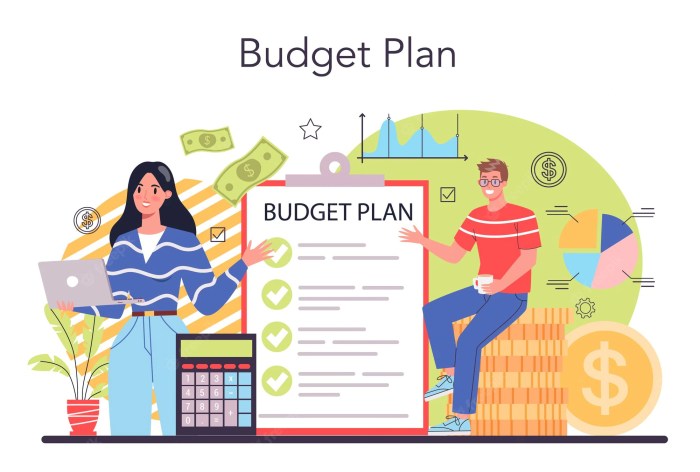
Budgeting plays a crucial role in event planning as it helps organizers allocate resources effectively, prioritize expenses, and prevent overspending. By setting a budget, event planners can track costs, manage finances efficiently, and ensure that the event stays within financial constraints.
Impact of Budgeting on the Success of Events
The success of an event is significantly influenced by how well the budget is managed. A well-planned budget ensures that financial resources are utilized optimally, leading to a successful event that meets objectives and exceeds expectations. On the other hand, poor budgeting can result in financial constraints, incomplete deliverables, and overall event failure.
Key Elements to Consider When Budgeting for Events
- Identify all potential expenses: List out all possible costs associated with the event, including venue rental, catering, decorations, entertainment, marketing, and staff.
- Allocate funds wisely: Prioritize expenses based on their importance to the event’s success and allocate funds accordingly.
- Include a buffer for unforeseen expenses: Set aside a contingency fund to account for unexpected costs that may arise during the planning process or event execution.
- Track expenses diligently: Keep a close eye on expenses throughout the planning process to ensure that spending stays within budget limits.
- Review and adjust the budget as needed: Regularly review the budget and make adjustments as necessary to accommodate changes or new developments.
Types of Event Budgets
When it comes to budgeting for events, there are several types of budgets that can be utilized based on the specific needs of the event. Each type of budget has its own advantages and disadvantages, making it important to understand when to use each one.
Fixed Budget
A fixed budget sets a specific dollar amount that cannot be exceeded. This type of budget is suitable for events with well-defined parameters and limited flexibility. It ensures financial discipline and helps prevent overspending. However, it may not account for unexpected expenses or changes in the event scope.
Flexible Budget
A flexible budget allows for adjustments based on changing circumstances or needs. It provides more room for maneuvering and adapting to unforeseen changes during the event planning process. While this type of budget offers greater flexibility, it can be challenging to track expenses accurately and may lead to overspending if not managed carefully.
Zero-Based Budget
A zero-based budget requires justifying every expense from scratch, starting at zero. This type of budgeting forces event planners to critically evaluate each cost and prioritize expenses based on their importance. It encourages efficiency and cost-consciousness but can be time-consuming to create and implement.
Budgeting Components
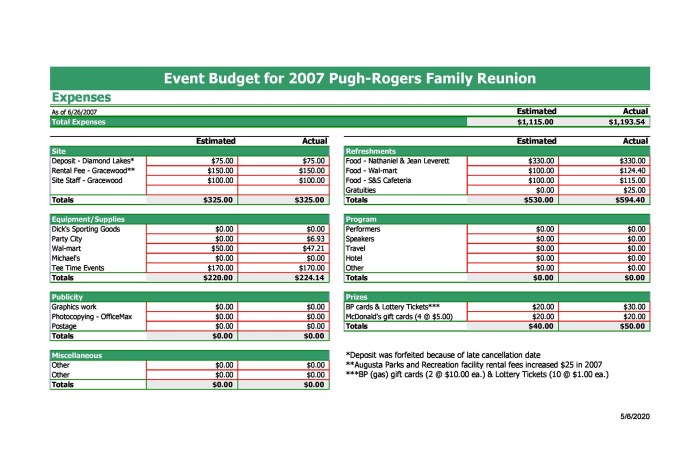
When creating an event budget, it is essential to consider various components to ensure all expenses are accounted for. By allocating funds strategically, you can effectively manage costs and deliver a successful event.
Essential Components of an Event Budget
- Determine the scope and size of the event to estimate the overall budget needed.
- Allocate funds for the venue, considering factors like location, capacity, and amenities.
- Include catering costs based on the number of attendees and menu preferences.
- Set aside a budget for entertainment, such as performers, speakers, or activities.
- Factor in marketing and promotional expenses to attract attendees and create awareness.
- Account for equipment rentals, decorations, and other event essentials.
- Plan for staff and security costs to ensure a smooth execution of the event.
- Include a contingency fund for unexpected expenses or last-minute changes.
Tips for Creating a Comprehensive Budget
- Research and gather quotes from multiple vendors to compare prices and negotiate better deals.
- Track expenses meticulously to stay within budget and identify areas where adjustments can be made.
- Consider potential revenue streams, such as ticket sales, sponsorships, or merchandise, to offset costs.
- Consult with experienced event planners or financial advisors for guidance on budgeting best practices.
- Review and revise the budget regularly to adapt to any changes in the event plan or financial constraints.
Cost Estimation
Accurately estimating costs for an event is crucial to staying within budget and avoiding financial setbacks. It involves thorough research, careful planning, and consideration of various factors that could impact the overall expenses.
Strategies for Accurate Cost Estimation
- Research and obtain quotes from multiple vendors to compare prices and services offered.
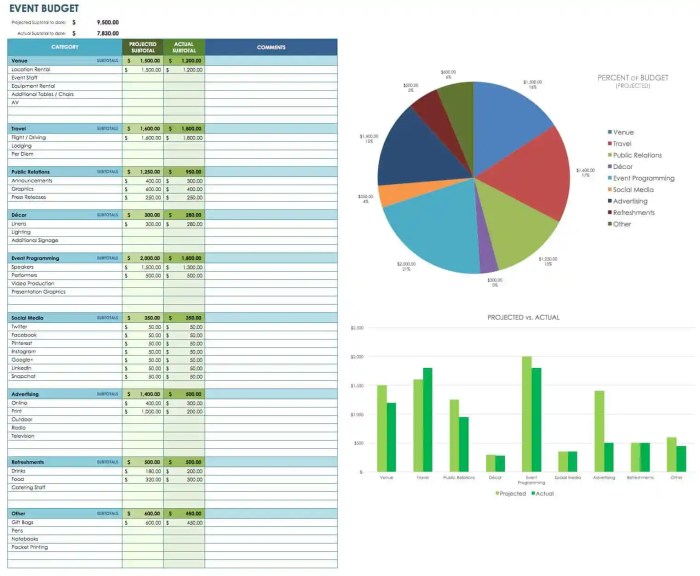
- Create a detailed budget spreadsheet outlining all potential expenses, including venue rental, catering, decorations, entertainment, and miscellaneous costs.
- Consider past event budgets and actual expenses to help forecast future costs more accurately.
- Consult with industry professionals or experienced event planners to get insights on typical costs for similar events.
Hidden Costs to Consider
- Unforeseen venue fees or additional charges for setup, cleaning, or overtime.
- Last-minute changes or requests that may incur extra expenses.
- Taxes, gratuities, and service charges that are not initially included in vendor quotes.
- Transportation and accommodation costs for guests or performers.
Negotiating Prices to Stay Within Budget
- Discuss bulk discounts or package deals with vendors to lower overall costs.
- Ask for price matching or negotiation based on competitor quotes or industry standards.
- Consider alternative options or DIY solutions to reduce expenses without compromising quality.
- Build long-term relationships with preferred vendors for potential discounts on future events.
In conclusion, mastering the art of budgeting for events is the cornerstone of hosting successful and memorable gatherings. By implementing the insights shared in this guide, you can navigate the intricacies of event planning with confidence and finesse.
FAQs
What are the different types of event budgets?
Event budgets can be fixed, flexible, or zero-based, each serving unique purposes based on the event’s requirements.
How can I accurately estimate costs for an event?
Utilize cost estimation strategies such as researching current market prices and factoring in potential hidden costs to create a realistic budget.
Why is budgeting crucial for the success of events?
Budgeting ensures that resources are allocated efficiently, preventing overspending and enabling planners to meet event goals within financial constraints.