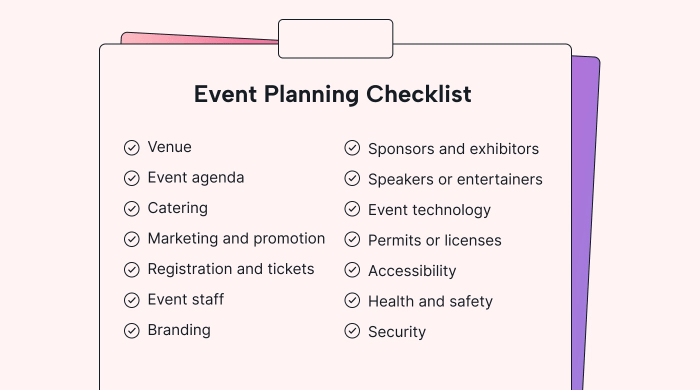
Event planning tips sets the stage for this enthralling narrative, offering readers a glimpse into a story that is rich in detail with casual formal language style and brimming with originality from the outset.
In this comprehensive guide, we will delve into the key aspects of event planning, from managing tight budgets to selecting the perfect venue and handling vendor relationships with finesse.
Event Planning Tips
When it comes to event planning, whether it’s for a corporate function or a social gathering, there are key tips that can help beginners navigate the process successfully.
Essential Event Planning Tips for Beginners
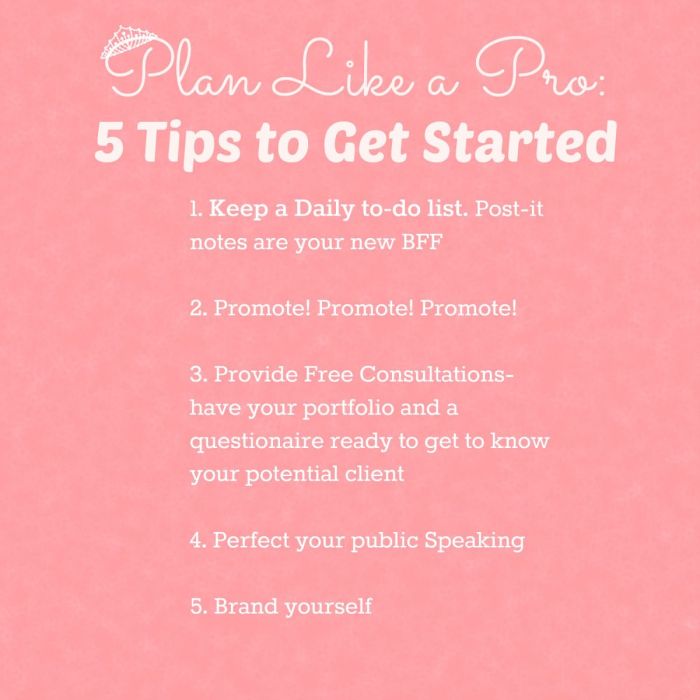
- Start with a clear vision: Define the purpose and goals of the event to guide your planning process.
- Set a realistic budget: Determine how much you can spend and allocate funds wisely.
- Create a detailed timeline: Break down tasks and deadlines to stay organized and on track.
- Choose the right venue: Consider the size, location, and amenities that align with your event’s needs.
- Communicate effectively: Keep all stakeholders informed and maintain open lines of communication.
Challenges in Corporate Events vs. Social Events
- Corporate Events: Often require strict adherence to branding guidelines, coordination with multiple departments, and a focus on achieving specific business objectives.
- Social Events: Emphasis on creating a memorable experience for attendees, managing personal preferences, and ensuring smooth logistics without the pressure of business outcomes.
Strategies for Managing Tight Budgets
- Prioritize expenses: Allocate funds to crucial elements like venue, catering, and entertainment, while cutting costs on less essential items.
- Seek sponsorships or partnerships: Collaborate with brands or vendors willing to support your event in exchange for exposure or benefits.
- Negotiate deals: Approach vendors for discounts, special packages, or flexible payment terms to make the most of your budget.
Importance of Creating a Detailed Timeline
A detailed timeline serves as a roadmap for your event planning process, ensuring tasks are completed on time, dependencies are managed effectively, and potential issues are identified and addressed proactively.
Venue Selection
When it comes to selecting a venue for an event, there are several factors to consider to ensure the success of the event. From the location and capacity to the amenities and ambiance, each detail plays a crucial role in the overall experience of the attendees.
Factors to Consider When Selecting a Venue
- Location: Choose a venue that is easily accessible for your guests and fits the overall theme of the event.
- Capacity: Make sure the venue can accommodate the number of guests you are expecting without feeling overcrowded.
- Amenities: Consider the facilities provided by the venue, such as parking, catering options, AV equipment, and seating arrangements.
- Ambiance: The ambiance of the venue should align with the theme and tone of the event to create the right atmosphere.
Guide on Negotiating with Venue Owners
- Research: Know the market rates for similar venues in the area to negotiate from a position of knowledge.
- Flexible Dates: Be open to adjusting the event date based on the venue’s availability for potential discounts.
- Bundled Packages: Inquire about package deals that include catering, decor, and other services for better value.
- Ask for Discounts: Don’t hesitate to ask for discounts or complimentary services as part of the negotiation process.
Tips for Conducting Site Visits Effectively
- Prepare a Checklist: Create a list of specific requirements and questions to ask during the site visit.
- Take Notes: Document important details about the venue, including measurements, layout, and any restrictions.
- Visualize the Event: Imagine how the space will be utilized during the event to ensure it meets your needs.
- Ask for Clarifications: Seek clarification on any ambiguous points or terms in the venue agreement.
Importance of Considering the Event Theme
- Enhanced Experience: Choosing a venue that complements the event theme can enhance the overall guest experience.
- Consistent Branding: Aligning the venue with the event theme helps maintain consistent branding and messaging.
- Atmosphere: The venue’s ambiance plays a key role in setting the right mood and tone for the event.
- Photogenic Backdrops: A venue that matches the event theme can provide picturesque backdrops for photos and social media content.
Budget Management
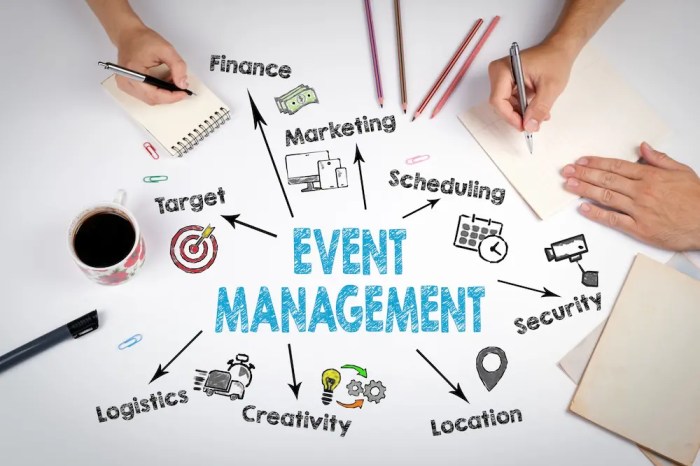
Managing the budget for an event is crucial to ensure its success and financial sustainability. Here, we will discuss the step-by-step process for creating an event budget, cost-saving tips, the importance of tracking expenses, and strategies for securing sponsorships.
Creating an Event Budget
When creating an event budget, start by outlining all potential expenses and estimating the costs associated with each aspect of the event. Consider venue rental, catering, entertainment, decorations, marketing, staff, and any other relevant expenses. Be sure to allocate funds for unforeseen expenses as well.
Cost-Saving Tips
- Consider alternative venues that offer lower rental rates or negotiate for discounts.
- Opt for in-house catering or buffet-style meals to save on food costs.
- Utilize digital marketing and social media platforms for cost-effective promotion.
- Repurpose decorations or borrow items instead of purchasing new ones.
- Bundle services with vendors to secure package deals and discounts.
Importance of Tracking Expenses
Tracking expenses throughout the event planning process is essential to ensure that you stay within budget. Use spreadsheets or budgeting tools to monitor spending and compare actual costs to your initial estimates. This will help you identify areas where you may need to cut back or reallocate funds.
Securing Sponsorships
Sponsorships can greatly offset event costs by providing financial support or covering specific expenses. To secure sponsorships, identify potential sponsors that align with your event’s target audience and objectives. Develop sponsorship packages outlining the benefits for sponsors and establish clear communication to build relationships with potential sponsors.
Vendor Management
When it comes to vendor management for events, it is crucial to select reliable vendors who can deliver quality services within your budget. Here are some key points to consider:
Criteria for Selecting Reliable Vendors
- Check references and reviews from previous clients to gauge vendor reputation.
- Ensure vendors have the necessary permits and licenses to operate legally.
- Consider the vendor’s experience in handling events similar to yours.
- Evaluate the quality of products or services offered by the vendor.
Tips for Negotiating Vendor Contracts
- Clearly define the scope of work and deliverables expected from the vendor.
- Negotiate pricing and payment terms to ensure they align with your budget and cash flow.
- Include clauses for contingency plans in case of unforeseen circumstances.
- Discuss cancellation policies and penalties upfront to avoid any surprises.
Significance of Maintaining Good Vendor Relationships
Building and maintaining good relationships with vendors is essential for future collaborations and successful event execution. It can lead to preferential treatment, better pricing, and improved service quality.
Handling Vendor-Related Challenges
- Communicate openly and clearly with vendors to address any issues promptly.
- Document all agreements and changes in writing to avoid misunderstandings.
- Have a backup plan in case a vendor fails to deliver as expected.
- Stay professional and respectful, even in challenging situations, to preserve relationships.
As we bring this discussion on event planning tips to a close, remember that meticulous planning and attention to detail are the cornerstones of successful events. By following the strategies Artikeld here, you can navigate the complexities of event planning with confidence and creativity.
Helpful Answers
How can beginners ensure successful event planning?
Beginners can ensure successful event planning by creating a detailed timeline, staying organized, and seeking advice from experienced professionals.
What are the key differences in challenges between corporate and social event planning?
Corporate event planning often involves stricter budgets and formalities, while social event planning focuses more on personalization and creativity.
How can event planners effectively negotiate with venue owners?
Event planners can negotiate with venue owners by highlighting the value they bring, being open to compromises, and exploring off-peak times for better deals.
Why is tracking expenses important in event planning?
Tracking expenses is crucial in event planning to ensure that the budget stays on track, identify areas for cost-saving, and maintain financial transparency.
How can event planners secure sponsorships to offset event costs?
Event planners can secure sponsorships by creating attractive sponsorship packages, reaching out to potential sponsors, and highlighting the benefits of partnership.