Planning a successful virtual event requires a unique blend of traditional event management skills and a deep understanding of online platforms and audience engagement strategies. Unlike in-person events, virtual events present both exciting opportunities for global reach and unique challenges related to technology, audience interaction, and maintaining attendee engagement. This guide explores the key aspects of planning, executing, and analyzing virtual events, providing practical advice and insights to help you create memorable and impactful online experiences.
From selecting the right virtual event platform and designing engaging content to promoting your event effectively and analyzing post-event data, this comprehensive overview covers all stages of the process. We will delve into the technical requirements, marketing strategies, and community-building techniques necessary for creating a thriving virtual environment that captivates your audience and achieves your event objectives. We’ll also address crucial aspects like budgeting, risk management, and legal considerations applicable to both virtual and in-person events.
Defining Virtual Event Planning
Virtual event planning encompasses the strategic design, organization, and execution of events that take place entirely online. Unlike traditional event planning, which focuses on physical venues and in-person interactions, virtual event planning leverages digital platforms and technologies to create engaging and interactive experiences for attendees. This involves a complex interplay of technical expertise, creative design, and meticulous logistical planning to ensure seamless delivery of the event’s objectives.Virtual event planning presents a unique set of challenges and opportunities.
Challenges include overcoming the limitations of online interaction, ensuring technical reliability and accessibility, and maintaining attendee engagement over extended periods of time. Opportunities, however, include significantly reduced logistical costs, expanded geographical reach, enhanced data analytics capabilities for post-event evaluation, and increased accessibility for attendees with mobility or other limitations. The ability to record and share event content also offers significant long-term value.
Unique Challenges and Opportunities of Virtual Events
The shift to virtual events necessitates a different approach to engagement. Traditional event planning often relies on the spontaneous energy of a physical space and in-person networking. Virtual events, however, require proactive strategies to foster interaction, such as incorporating interactive polls, Q&A sessions, breakout rooms, and gamification elements. The potential for technical glitches and connectivity issues also adds a layer of complexity, demanding robust contingency planning and technical support throughout the event.
Conversely, the global reach of virtual events opens doors to a far broader audience than geographically limited in-person events, leading to greater brand exposure and potential for business development. Detailed analytics tracking attendee engagement, session participation, and lead generation provides valuable data for future event planning and marketing strategies. For example, a company launching a new product could analyze which virtual booth received the most engagement to understand what resonated best with their target audience.
Skill Sets Required for Virtual and In-Person Event Planning
While both virtual and in-person event planning share core competencies like budgeting, scheduling, and vendor management, the skill sets diverge significantly in specific areas. Traditional event planning emphasizes logistical expertise in venue selection, catering, and physical setup. Virtual event planning, however, prioritizes technical proficiency in platform selection, virtual event software, live streaming, and webinar technologies. Furthermore, virtual event planners need strong digital marketing skills to promote the event effectively online and manage online engagement.
In-person event planners often focus on physical environment design and networking facilitation, while virtual planners need to master techniques to create interactive and engaging online experiences, such as incorporating virtual networking tools and interactive elements to replicate the spontaneity of in-person networking. For instance, a virtual conference might utilize a virtual networking platform that allows attendees to connect based on shared interests or industry roles, mimicking the serendipitous networking opportunities found in physical events.
Platform Selection and Technical Aspects
Choosing the right virtual event platform is crucial for a successful online event. The platform’s capabilities directly impact attendee experience, event management efficiency, and overall event success. Careful consideration of several key factors is essential before making a selection. This includes evaluating features, pricing models, scalability, integration capabilities, and technical support offered by the vendor.
Key Factors in Virtual Event Platform Selection
Selecting a virtual event platform requires a thorough evaluation of several critical aspects. The ideal platform will seamlessly integrate with your event goals, budget, and technical capabilities. Features like registration management, live streaming, interactive elements, and analytics are essential to consider. The platform’s scalability should accommodate your current needs and allow for growth in future events. Finally, reliable technical support is paramount to address any technical glitches that might arise.
Comparison of Virtual Event Platforms
The following table compares four popular virtual event platforms based on their features, pricing, and scalability. Pricing can vary greatly depending on the number of attendees, features used, and contract length. Scalability refers to the platform’s ability to handle a growing number of attendees and sessions.
| Platform | Key Features | Pricing Model | Scalability |
|---|---|---|---|
| Hopin | Live streaming, networking features, breakout rooms, registration, analytics | Subscription-based, tiered pricing | Highly scalable, suitable for large events |
| Zoom | Video conferencing, screen sharing, breakout rooms, recording capabilities | Subscription-based, tiered pricing | Scalable, but larger events may require multiple accounts/workarounds |
| GoToWebinar | Webinars, live streaming, Q&A, polling, registration | Subscription-based, tiered pricing | Scalable, suitable for webinars and smaller events |
| Eventbrite Virtual | Event listing, ticketing, live streaming, engagement tools | Pay-per-event, tiered pricing | Scalable, suitable for various event sizes |
Technical Setup for Virtual Events
A successful virtual event hinges on robust technical infrastructure. This encompasses reliable internet connectivity, high-quality audio-visual equipment, and appropriate software. Internet connectivity should be stable and high-speed, with sufficient bandwidth to support live streaming and interactive elements. Audio-visual equipment, including microphones, cameras, and speakers, should be tested thoroughly beforehand. Finally, software, including the chosen event platform and any supporting applications, needs to be compatible and properly configured.
Technical Execution Checklist
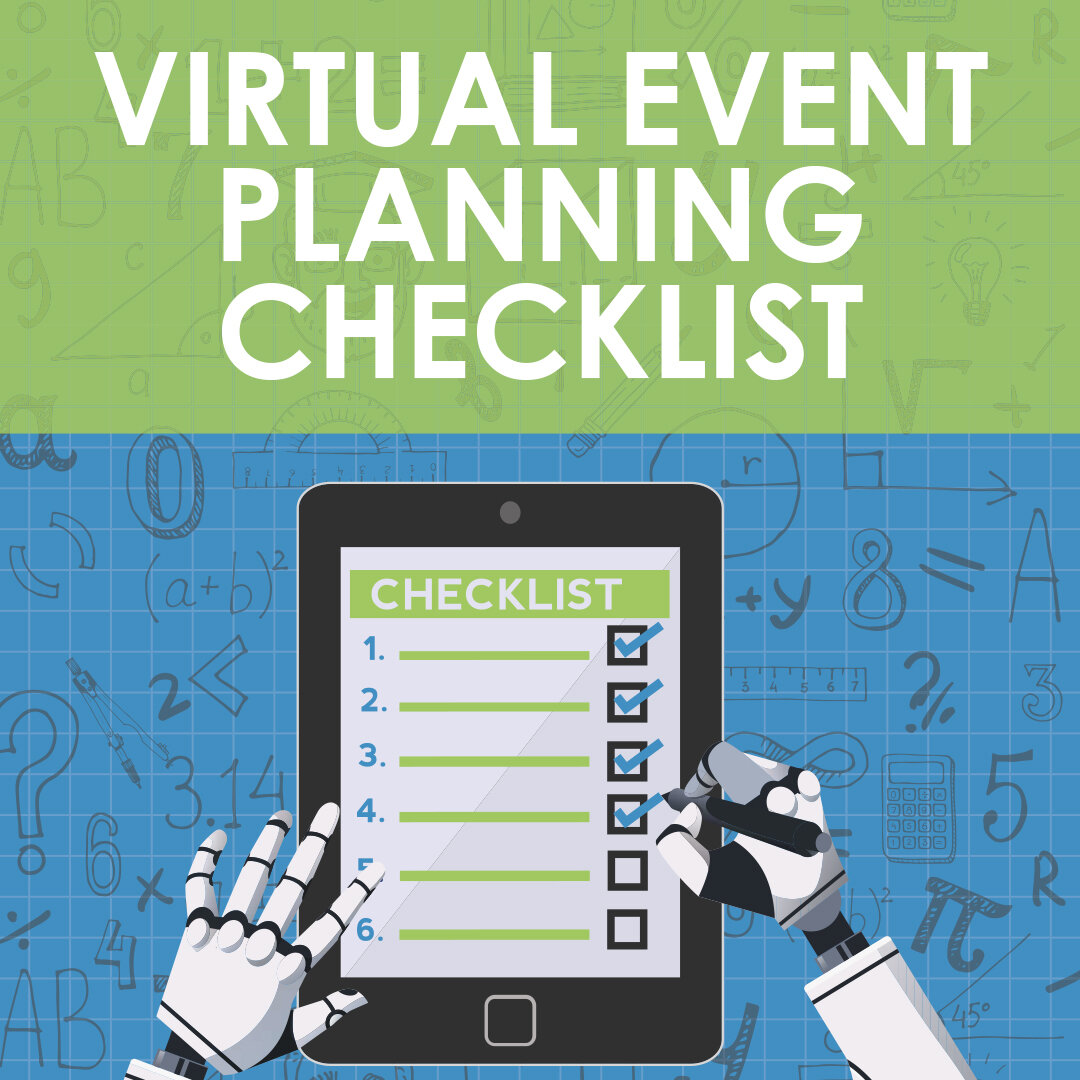
A comprehensive checklist ensures a seamless technical experience during the event. This minimizes disruptions and enhances the overall attendee experience.
- Internet Connectivity Test: Verify sufficient bandwidth and stable connection speed.
- Audio-Visual Equipment Check: Test microphones, cameras, speakers, and lighting for optimal performance.
- Software Compatibility and Configuration: Ensure all software is compatible and properly configured, including updates.
- Platform Functionality Test: Conduct a full test run of the event platform, including all features.
- Backup Plan: Have a contingency plan in place for technical issues, including alternative internet access and equipment.
- Technical Support Availability: Ensure a dedicated technical support team is available throughout the event.
- Pre-Event Rehearsal: Conduct a full rehearsal with all presenters and technical staff.
Content Creation and Engagement Strategies
Crafting compelling and interactive content is paramount for a successful virtual event. Engaging your audience requires careful planning and a diverse range of formats that cater to different learning styles and preferences. A well-structured content strategy, incorporating interactive elements and opportunities for networking, will significantly impact attendee satisfaction and overall event success.Successful virtual events thrive on audience participation.
A passive audience translates to low engagement and ultimately, a less impactful event. Therefore, actively designing opportunities for interaction is crucial. This involves strategically incorporating elements that encourage questions, feedback, and collaboration throughout the event.
Engaging Virtual Event Content Formats
Interactive presentations, far from being static slideshows, can incorporate polls, quizzes, and live Q&A sessions to maintain audience attention and participation. A virtual tour, perhaps of a new facility or product line, can be achieved through 360° video technology, allowing attendees to explore at their own pace. Pre-recorded video segments with engaging visuals and concise messaging can break up lengthy presentations, maintaining momentum and preventing audience fatigue.
Live Q&A sessions, moderated effectively, allow for real-time interaction and address attendee queries directly, fostering a sense of dialogue and connection. Finally, breakout rooms, allowing for smaller group discussions on specific topics, encourage deeper engagement and networking opportunities.
Maximizing Audience Participation and Interaction
A robust strategy for maximizing audience participation should incorporate several key elements. Firstly, pre-event communication is crucial; sending out reminders with clear instructions on how to participate in interactive sessions helps to build anticipation and guide attendees on how to best engage. During the event, using polls and quizzes regularly helps to maintain engagement and gauge understanding. Interactive tools such as live chat features and Q&A platforms should be prominently displayed and actively monitored by event staff to address questions promptly.
Incentivizing participation, such as offering prizes or certificates of attendance for active participation in polls or Q&A sessions, can further boost engagement. Finally, post-event follow-up, including surveys and thank-you notes, encourages feedback and helps to foster a sense of community beyond the event itself.
Innovative Ways to Foster Community and Networking
Building a sense of community in a virtual environment requires deliberate effort. Here are five innovative approaches:
- Virtual Networking Lounges: Dedicated virtual spaces where attendees can informally interact, chat, and network. These could utilize virtual avatars or simple video conferencing features.
- Collaborative Projects: Engaging attendees in a shared project, such as a virtual brainstorming session or a collaborative document, encourages interaction and shared ownership.
- Gamification: Incorporating game-like elements, such as points or badges for participation, can incentivize engagement and create a sense of friendly competition.
- Virtual Coffee Breaks: Scheduled informal breaks allowing attendees to connect in smaller groups using video conferencing or chat functions, mimicking the informal networking opportunities of in-person events.
- Post-Event Online Forums: Creating an online forum or community space allows attendees to continue conversations and connect with each other long after the event concludes, fostering ongoing engagement and a sense of belonging.
Marketing and Promotion of Virtual Events
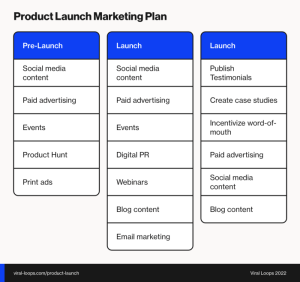
Successfully marketing a virtual event requires a multi-faceted approach that leverages various channels to reach the target audience effectively. A well-defined marketing plan is crucial for generating awareness, driving registrations, and ultimately ensuring a high level of engagement. This involves strategic planning, consistent messaging, and meticulous tracking of key performance indicators.A robust marketing strategy incorporates several key components, each playing a vital role in the overall success of the event.
Effective execution requires careful consideration of the target audience, the event’s unique selling proposition, and the chosen marketing channels. The goal is to create a compelling narrative that resonates with potential attendees and motivates them to participate.
Social Media Marketing Strategies
Social media platforms offer a powerful and cost-effective way to reach a large audience. A comprehensive strategy should include creating engaging content tailored to each platform, utilizing relevant hashtags, running contests and giveaways, and leveraging influencer marketing where appropriate. For example, a webinar on sustainable business practices could be promoted on LinkedIn through targeted advertising and organic posts showcasing expert speakers and key takeaways.
On Instagram, visually appealing graphics and short video clips highlighting event highlights would be more effective. Consistent posting and interaction with followers are essential for building a strong community and generating excitement.
Email Marketing Campaigns
Email marketing remains a highly effective tool for directly reaching potential attendees. A well-structured email campaign typically includes a series of emails leading up to the event. These emails might include an initial announcement, confirmation emails, reminders, and post-event follow-ups. Personalization is key; segmenting your email list based on demographics or interests allows for targeted messaging that resonates more effectively.
For instance, an email to professionals in the tech industry could highlight the networking opportunities at a virtual tech conference, while an email to students might emphasize the educational value and career development aspects. Tracking open rates, click-through rates, and conversions are crucial for optimizing future campaigns.
Paid Advertising Strategies
Paid advertising on platforms like Google Ads, LinkedIn Ads, and social media can significantly boost event visibility. Targeted advertising allows you to reach specific demographics and interests, ensuring your marketing budget is used efficiently. For example, a virtual conference on healthcare could use Google Ads to target medical professionals searching for relevant s. On LinkedIn, targeted ads could reach professionals in specific healthcare sectors.
A/B testing different ad creatives and targeting parameters is essential for optimizing campaign performance and maximizing ROI. Careful monitoring of campaign performance and adjusting strategies based on data insights is crucial for achieving optimal results.
Key Metrics for Measuring Success
Measuring the success of a virtual event marketing campaign requires tracking several key metrics. These include website traffic, social media engagement (likes, shares, comments), email open and click-through rates, registration numbers, and ultimately, attendee participation and feedback. Analyzing these metrics provides valuable insights into campaign effectiveness and allows for data-driven optimization. For instance, a high bounce rate on the event website might indicate a need to improve the website’s design or content.
Low registration numbers might suggest the need for more aggressive marketing efforts or a reassessment of the target audience.
Pre-Event Communication and Managing Attendee Expectations
Clear and consistent pre-event communication is vital for managing attendee expectations and ensuring a smooth event experience. This includes providing detailed information about the event schedule, technical requirements, access instructions, and any pre-event preparation needed. Regular email updates, social media posts, and FAQs can address common questions and reduce anxiety. For example, providing a detailed technical guide with troubleshooting steps for different devices can help minimize technical issues during the event.
Proactive communication builds trust and fosters a positive experience for attendees, leading to increased engagement and satisfaction.
Mastering virtual event planning involves a strategic approach that blends technical proficiency, creative content design, and effective marketing. By carefully considering platform selection, audience engagement strategies, and post-event analysis, you can create impactful virtual experiences that achieve your objectives and leave a lasting impression on attendees. This guide has provided a framework for navigating the complexities of virtual events, empowering you to plan, execute, and analyze your online events with confidence and success.
Remember, the key to a successful virtual event lies in thoughtful planning, innovative engagement, and meticulous execution.
General Inquiries
What are the best practices for managing Q&A sessions during a virtual event?
Utilize a dedicated Q&A tool within your platform, moderate questions effectively, prioritize relevant inquiries, and address unanswered questions post-event.
How can I ensure accessibility for attendees with disabilities in a virtual event?
Provide closed captions, transcripts, and alternative text for images. Ensure your platform is compatible with assistive technologies. Communicate accessibility options clearly in advance.
How do I handle technical difficulties during a live virtual event?
Have a backup plan, including alternative presentation methods and contact information for technical support. Communicate transparently with attendees if issues arise.
What are some creative ways to encourage networking among virtual attendees?
Incorporate virtual breakout rooms, interactive polls and quizzes, virtual networking lounges, and online forums to foster interaction and community.