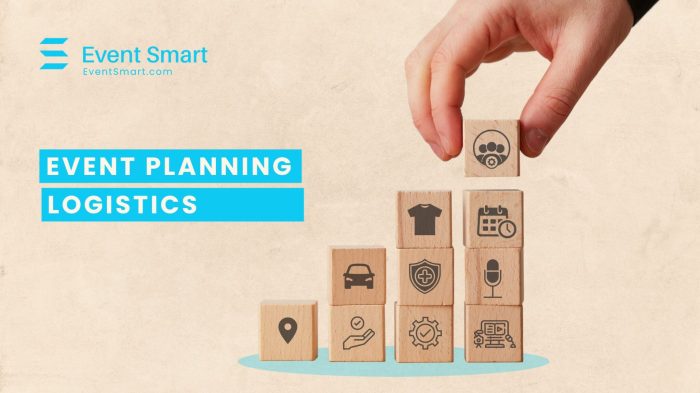
With Event logistics at the forefront, this paragraph opens a window to an amazing start and intrigue, inviting readers to embark on a storytelling filled with unexpected twists and insights. Event logistics form the backbone of any successful event, ensuring seamless coordination and execution. Let’s dive into the world of event logistics and discover the key components that make events truly memorable.
Event logistics involve meticulous planning and coordination to ensure everything runs smoothly, from setting up the venue to managing registrations. Understanding the importance of efficient event logistics is essential for event planners looking to create unforgettable experiences for attendees.
Event Logistics
Event logistics play a crucial role in the success of any event, ensuring that all aspects run smoothly and efficiently. From planning and coordination to execution, effective event logistics can greatly impact the overall experience of attendees and the outcome of the event.
Key Components of Event Logistics
- Venue selection and setup
- Transportation and parking arrangements
- Accommodation for attendees and staff
- Registration and check-in processes
- Catering and food services
- Audiovisual equipment and technical support
- Event scheduling and timeline management
Challenges in Managing Event Logistics
- Coordination among various vendors and suppliers
- Unforeseen changes or emergencies during the event
- Budget constraints and cost management
- Communication breakdowns between team members
- Ensuring compliance with regulations and permits
Efficiency and Attendee Experience
Efficient event logistics can significantly enhance the overall attendee experience by providing a seamless and enjoyable event. For example, timely transportation services can ensure that attendees arrive on time and without hassle, while well-organized registration processes can create a positive first impression. When logistics are well-managed, attendees can focus on engaging with the event content and networking with other participants, leading to a more successful and memorable event.
Event Planning
Event planning is a crucial aspect of organizing successful events, encompassing various tasks and responsibilities. It involves creating a blueprint for the event, setting objectives, determining the target audience, selecting a venue, arranging for vendors and suppliers, managing budgets, and ensuring the smooth execution of the event.Event logistics, on the other hand, focus on the practical details and operational aspects of the event.
This includes transportation, accommodations, equipment, staffing, scheduling, and other logistical considerations that are essential for the event to run smoothly.Event logistics play a crucial role in event planning by ensuring that all necessary resources and support are in place to execute the event effectively. Without proper logistics, even the most well-planned event can encounter challenges and disruptions that may impact the overall success of the event.In the event planning process, event logistics interact with other aspects such as marketing, promotion, budgeting, and scheduling.
Effective coordination between logistics and other event planning components is essential to ensure that all elements work harmoniously towards the common goal of a successful event.To seamlessly integrate event logistics into the event planning process, consider the following tips:
- Start early: Begin planning logistics well in advance to allow sufficient time for coordination and troubleshooting.
- Communication is key: Maintain open communication channels with all stakeholders involved in the event to ensure everyone is on the same page.
- Detail orientation: Pay attention to even the smallest details to prevent any oversights that could impact the event.
- Contingency planning: Develop contingency plans for potential logistical issues to address any last-minute changes or emergencies.
- Regular evaluations: Continuously evaluate and adjust logistics plans as needed throughout the event planning process to optimize efficiency and effectiveness.
In conclusion, event logistics are the unsung heroes behind every successful event, working tirelessly behind the scenes to ensure everything flows seamlessly. By focusing on the key components and overcoming challenges, event planners can elevate attendee experiences and create lasting memories.
General Inquiries
What is the role of event logistics in event success?
Event logistics are crucial in ensuring the smooth execution of all event aspects, from setup to teardown.
How do event logistics differ from event planning?
Event logistics focus on the operational details and execution, while event planning involves the overall strategy and vision.
What challenges can arise in managing event logistics?
Challenges may include last-minute changes, vendor coordination issues, and unexpected logistical hurdles.
How can efficient event logistics enhance attendee experience?
Efficient event logistics can lead to smoother operations, shorter wait times, and an overall more enjoyable event experience for attendees.