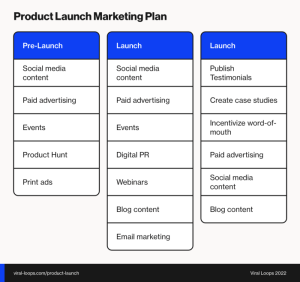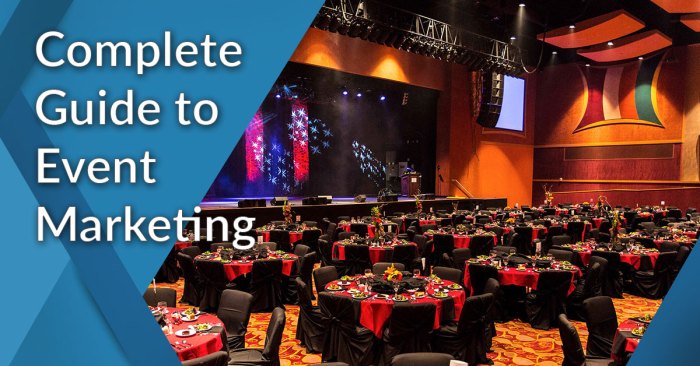
In today’s competitive landscape, event marketing strategies play a pivotal role in driving brand visibility and customer engagement. Let’s delve into the world of successful campaigns and innovative approaches that can elevate your marketing game.
As we explore different types of events, effective planning techniques, and key considerations, you’ll gain valuable insights into harnessing the power of events for your marketing endeavors.
Event Marketing Strategies
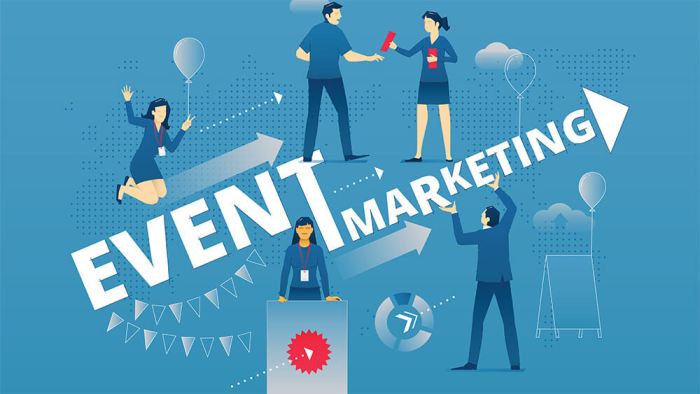
Event marketing is a crucial component of a business’s overall marketing strategy as it provides a unique opportunity to directly engage with customers, showcase products or services, and build brand awareness. By creating memorable experiences for attendees, businesses can leave a lasting impression and establish a strong connection with their target audience.
Importance of Event Marketing for Businesses
Event marketing allows businesses to create a personalized experience for customers, enabling them to interact with the brand in a meaningful way. This can lead to increased brand loyalty, customer retention, and word-of-mouth referrals. Additionally, events provide a platform for businesses to launch new products, generate leads, and network with industry professionals.
Examples of Successful Event Marketing Campaigns
- Apple’s product launch events, such as the unveiling of the iPhone, have generated significant buzz and anticipation among consumers.
- Nike’s “Nike Women’s Race Series” engages female runners through races and fitness challenges, creating a community of loyal customers.
- Coca-Cola’s “Share a Coke” campaign, where personalized Coke bottles were distributed at events, resulted in a social media frenzy and increased sales.
How Event Marketing Increases Brand Visibility and Customer Engagement
Event marketing allows businesses to showcase their brand personality, values, and unique selling propositions in a tangible way. By creating immersive experiences, businesses can capture the attention of attendees and foster a sense of connection with the brand. This, in turn, can lead to increased brand visibility, customer engagement, and ultimately, sales.
Tips for Integrating Event Marketing into an Overall Marketing Strategy
- Define clear objectives for the event, such as increasing brand awareness, generating leads, or launching a new product.
- Tailor the event to your target audience’s preferences and interests to ensure maximum engagement.
- Leverage social media before, during, and after the event to create buzz and extend the reach of your marketing efforts.
- Measure the success of the event through metrics such as attendance, social media engagement, and post-event surveys to evaluate ROI and inform future marketing strategies.
Types of Events for Marketing
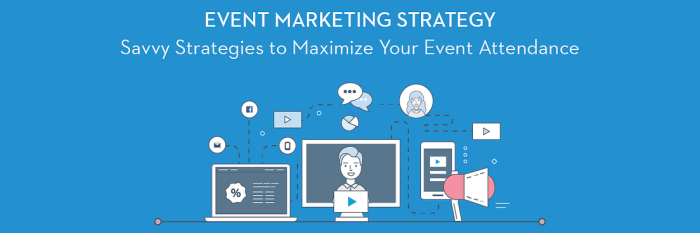
When it comes to marketing, events can be a powerful tool to engage with your target audience and create memorable experiences. Different types of events can be utilized for marketing purposes, each serving a unique function in promoting your brand or product.
Product Launches
- A product launch event is a great way to introduce a new product or service to the market.
- These events generate excitement and buzz around the new offering, attracting media attention and potential customers.
- Product launches can be in-person or virtual, depending on the target audience and market reach.
Networking Events
- Networking events provide a platform for professionals to connect, build relationships, and exchange information.
- These events are valuable for expanding your business network and generating leads.
- Networking events can be both in-person and virtual, offering opportunities for global reach.
Trade Shows
- Trade shows bring together industry professionals to showcase products, services, and innovations.
- Participating in trade shows can help increase brand visibility and establish industry presence.
- Trade shows can be attended in-person or virtually, with virtual platforms offering interactive exhibition opportunities.
Virtual Events vs. In-Person Events
Virtual events have gained popularity due to their convenience and global reach, allowing for wider audience engagement without geographical limitations. In contrast, in-person events offer a more personal and immersive experience, fostering face-to-face interactions and tangible brand experiences.
Creative Event Ideas for Marketing
- Interactive workshops or webinars
- Pop-up events or experiential marketing activations
- VIP or exclusive events for loyal customers
- Collaborative events with influencers or partners
Impact of Event Type on Marketing Strategies
The type of event chosen can significantly impact the choice of marketing strategies employed. For virtual events, digital marketing tactics such as social media promotion, email campaigns, and online advertising may be more effective. In contrast, in-person events may require traditional marketing methods like print advertisements, direct mailers, and event sponsorships to attract attendees.
Event Planning
Planning a successful marketing event requires careful attention to detail and strategic thinking. Here are the key steps involved in planning a successful marketing event:
Key Steps in Event Planning
- Define the event objectives and goals to ensure clarity in planning and execution.
- Create a budget that covers all expenses and allows for flexibility in case of unforeseen costs.
- Develop a timeline with specific deadlines for tasks to ensure everything is completed on time.
- Identify and secure a suitable venue that aligns with the event theme and target audience.
- Plan the event program, including speakers, activities, and any interactive elements to engage attendees.
- Promote the event through various channels to reach the target audience and generate interest.
- Coordinate logistics such as catering, audiovisual equipment, and signage to ensure a smooth event flow.
- Evaluate the event success by collecting feedback and analyzing key performance indicators to improve future events.
Event Planning Checklist
- Set clear objectives and goals for the event.
- Create a detailed budget that includes all expenses.
- Secure a suitable venue that accommodates the expected number of attendees.
- Develop a comprehensive event timeline with specific deadlines.
- Plan the event program with engaging content and activities.
- Promote the event through various marketing channels.
- Coordinate logistics such as catering, audiovisual equipment, and signage.
- Evaluate the event success through feedback and key performance indicators.
Choosing the Right Venue
When selecting a venue for a marketing event, consider the following tips:
Choose a location that is easily accessible for attendees and aligns with the event theme and objectives.
Ensure the venue has the necessary facilities and amenities to support the event program and activities.
Consider the capacity of the venue to accommodate the expected number of attendees comfortably.
Factor in the budget constraints and negotiate pricing and services with the venue management.
Setting Clear Goals and Objectives
Setting clear goals and objectives for an event is crucial for its success:
- Define specific and measurable goals to track the event’s performance and impact.
- Align the goals with the overall marketing strategy and target audience to ensure relevance.
- Communicate the goals to all stakeholders involved in the event planning and execution process.
- Regularly review and adjust the goals based on feedback and performance indicators to optimize results.
From understanding the importance of clear goals to navigating the intricacies of event planning, the journey through event marketing strategies opens up a realm of possibilities for businesses looking to make a lasting impact.
FAQ Insights
How can event marketing benefit businesses?
Event marketing can enhance brand visibility, drive customer engagement, and create opportunities for direct interaction with target audiences.
What are some creative event ideas for marketing purposes?
Hosting themed events, organizing interactive workshops, or collaborating with influencers are innovative ways to engage audiences effectively.
What role does event type play in choosing marketing strategies?
The type of event influences the marketing approach, as virtual events may require different strategies compared to in-person gatherings.